
Keeping your home safe, comfortable, and efficient can feel overwhelming when technology constantly evolves. Whether you want to cut energy bills, strengthen security, or enjoy hands-free control of household tasks, knowing which smart solutions actually deliver real results can be confusing.
This list cuts through the hype and highlights actionable upgrades that make a noticeable difference in daily life. You’ll discover energy-saving tips, security improvements, and convenient tech that simplify chores and put you in control of your environment.
Get ready to unlock practical insights that help you create a smarter home—every item brings clear benefits you can use right away.
Table of Contents
- Automated Lighting Control For Energy Savings
- Smart Door Locks To Enhance Home Security
- Voice-Controlled Personal Assistant Integration
- Intelligent Surveillance For Real-Time Alerts
- Climate Control Systems For Comfort And Efficiency
- Automated Appliance Management For Convenience
- Privacy-Centric Local AI Without Cloud Dependency
Quick Summary
| Takeaway | Explanation |
|---|---|
| 1. Implement Smart Lighting Controls | Use motion sensors and dimmers to reduce wasted electricity and save on utility bills. |
| 2. Upgrade to Smart Door Locks | Enhance security with features like remote access and biometric authentication for better protection. |
| 3. Utilize Voice-Controlled Assistants | Control smart devices and manage tasks effortlessly using voice commands for improved convenience. |
| 4. Consider Intelligent Surveillance Systems | Deploy advanced cameras that offer real-time alerts and facial recognition to enhance home security. |
| 5. Prioritize Local AI for Privacy | Select smart home devices that operate without cloud dependency to ensure data privacy and security. |
1. Automated Lighting Control for Energy Savings
Home lighting represents a significant portion of household energy consumption. By implementing smart automated lighting controls, homeowners can dramatically reduce electricity usage and lower monthly utility bills.
Modern lighting automation leverages various intelligent technologies to optimize energy efficiency:
- Motion sensors that detect room occupancy and automatically switch lights on or off
- Dimming systems that adjust light levels based on time of day or ambient light conditions
- Scheduling capabilities enabling precise control over lighting cycles
These lighting control technologies allow households to cut energy waste by ensuring lights are only active when needed. For instance motion sensors can reduce unnecessary lighting in unoccupied rooms by up to 50 percent.
Automated lighting isn’t just about convenience—it’s a strategic approach to reducing energy consumption and minimizing utility expenses.
Implementing smart lighting controls requires strategic placement of sensors and understanding your home’s unique traffic patterns. Consider installing sensors in high-traffic areas like hallways kitchens and living rooms where lights are frequently left on accidentally.
Pro tip: Select smart lighting systems with adjustable sensitivity settings to prevent unnecessary triggering and maximize energy savings.
2. Smart Door Locks to Enhance Home Security
Home security has dramatically transformed with the emergence of smart door lock technologies that offer unprecedented protection and convenience. These innovative devices combine advanced connectivity with robust security features to safeguard your living space.
Modern smart door locks provide multiple layers of protection through cutting-edge technologies:
- Wireless connectivity enabling remote access and monitoring
- Biometric authentication like fingerprint scanning
- Real-time smartphone alerts for unauthorized access attempts
- Encrypted communication preventing digital breaches
The IoT-based smart lock systems represent a significant leap in home security technology. These advanced locks can be controlled remotely allowing homeowners to grant temporary access manage entry permissions and monitor home access from anywhere in the world.
Smart door locks transform traditional security paradigms by integrating digital intelligence with physical protection mechanisms.
Implementing smart door locks requires strategic planning. Homeowners should evaluate systems that offer comprehensive security features including encryption multiple authentication methods and seamless smartphone integration.
Pro tip: Select smart door locks with backup mechanical key options to ensure home access during potential wireless connectivity interruptions.
3. Voice-Controlled Personal Assistant Integration
The world of home automation has been revolutionized by voice-controlled personal assistants that transform how we interact with technology. These intelligent systems allow you to control smart home devices manage daily tasks and access information using simple voice commands.
Modern voice assistants leverage sophisticated technologies to deliver seamless user experiences:
- Natural language processing for understanding complex voice commands
- Machine learning to improve response accuracy over time
- Multi-device connectivity enabling centralized home control
- Customizable voice profiles for personalized interactions
Voice-based virtual assistants use advanced artificial intelligence to execute user requests through intuitive voice interactions. By processing speech inputs and translating them into actionable commands these systems have dramatically simplified home management and device control.
Voice control represents the next frontier of human-technology interaction offering unprecedented convenience and accessibility.
Successful integration requires strategic planning. Choose voice assistants compatible with your existing smart home ecosystem and prioritize platforms offering robust privacy controls and device interoperability.
Pro tip: Configure voice assistant privacy settings carefully and periodically review device permissions to maintain optimal security and control over your personal data.
4. Intelligent Surveillance for Real-Time Alerts
Modern home security has been transformed by intelligent surveillance systems that provide unprecedented protection through advanced technological capabilities. These sophisticated systems go beyond traditional monitoring by delivering instant insights and proactive security management.
Intelligent surveillance technologies offer multiple cutting-edge features:
- Advanced facial recognition for identifying known and unknown individuals
- Real-time motion detection with precision tracking
- Instant mobile alerts directly to your smartphone
- Machine learning algorithms that distinguish between routine and suspicious activities
Real-time security surveillance systems now achieve remarkable accuracy approaching 99.86 percent in detecting and recognizing potential security threats. These intelligent systems automate intrusion detection and provide immediate notifications to homeowners.
Intelligent surveillance transforms passive monitoring into active home protection.
Implementing an effective intelligent surveillance system requires strategic placement of cameras understanding your property’s unique layout and selecting technologies with robust privacy protections.
Pro tip: Position security cameras at key entry points and ensure they have overlapping fields of view to create comprehensive monitoring coverage without leaving vulnerable blind spots.
5. Climate Control Systems for Comfort and Efficiency
Modern homes are transforming comfort and energy management through intelligent climate control systems that adapt dynamically to your living environment. These advanced technologies seamlessly balance personal comfort with remarkable energy efficiency.
Smart climate control systems offer groundbreaking features:
- Machine learning temperature optimization
- Remote smartphone control
- Energy consumption tracking
- Automatic zone-based temperature management
Building thermal comfort control uses sophisticated AI strategies to balance occupant preferences with energy conservation. By understanding individual environmental needs these systems create personalized comfort zones while minimizing unnecessary energy expenditure.
Smart climate control transforms your home into an intelligent living ecosystem that anticipates and responds to your comfort needs.
Successful implementation requires strategic sensor placement understanding your home’s unique thermal characteristics and selecting systems with comprehensive learning capabilities.
Pro tip: Configure multiple temperature zones in your home to create personalized comfort settings that can reduce overall energy consumption by up to 20 percent.
6. Automated Appliance Management for Convenience
Modern home automation has revolutionized how we interact with household appliances through intelligent management systems that simplify daily tasks and optimize energy consumption. These sophisticated technologies transform mundane household operations into seamless intelligent experiences.
Automated appliance management offers remarkable capabilities:
- Remote device control via smartphone apps
- Energy consumption tracking and optimization
- Scheduling and timing functions
- Voice command integration
- Context-aware operation modes
Agentic AI frameworks now enable autonomous coordination of home appliances using advanced natural language processing. These systems dynamically manage device operations while considering factors like electricity prices and personal schedules.
Automated appliance management turns your home into a responsive ecosystem that anticipates and adapts to your lifestyle.
Successful implementation requires selecting compatible smart devices understanding your specific household needs and gradually integrating technologies that enhance convenience without overwhelming complexity.
Pro tip: Start by automating one or two high-traffic appliances like coffee makers or thermostats to experience the benefits of smart home technology without significant initial investment.
7. Privacy-Centric Local AI Without Cloud Dependency
The future of smart home technology is being reshaped by privacy-focused artificial intelligence that operates entirely on local hardware without relying on external cloud services. This revolutionary approach ensures complete data confidentiality while delivering intelligent home automation.
Local AI technologies provide multiple groundbreaking advantages:
- Zero cloud dependency
- Complete data privacy
- Faster processing speeds
- Enhanced security
- Offline functionality
Decentralized peer-to-peer networks are transforming AI computation by integrating advanced encryption techniques that protect user data during processing. These systems enable sophisticated AI workloads without compromising personal information.
Privacy-centric AI represents a fundamental shift from data extraction to data sovereignty.
Implementing local AI requires selecting devices with robust onboard processing capabilities and understanding the trade-offs between cloud convenience and local privacy protection.
Pro tip: When selecting smart home devices prioritize those with local processing capabilities and clear privacy policies that minimize external data transmission.
Below is a comprehensive table summarizing the main smart home technologies discussed throughout the article, detailing their features, implementation strategies, and benefits.
Unlock the Future of Intelligent Living with Smart Home Automation
The article highlights key challenges such as reducing energy waste, enhancing home security, ensuring privacy, and seamless device management. If you value automated lighting controls, smart door locks, or voice assistant integration but worry about data privacy and complexity you are not alone. Many homeowners want smart solutions that empower them without sacrificing control or security.
IRVINEi addresses these pain points through OVAL, an AI Hub running entirely on local edge AI technology. This means you benefit from real-time intelligent surveillance, privacy-centric automation, and climate control that responds to you—all without relying on the cloud. Experience the peace of mind that comes from a device that acts as your personal assistant, home manager, and bodyguard. Explore how you can bring the future of smart living into your home.
Discover more about these groundbreaking technologies on our Home page – IRVINEi.
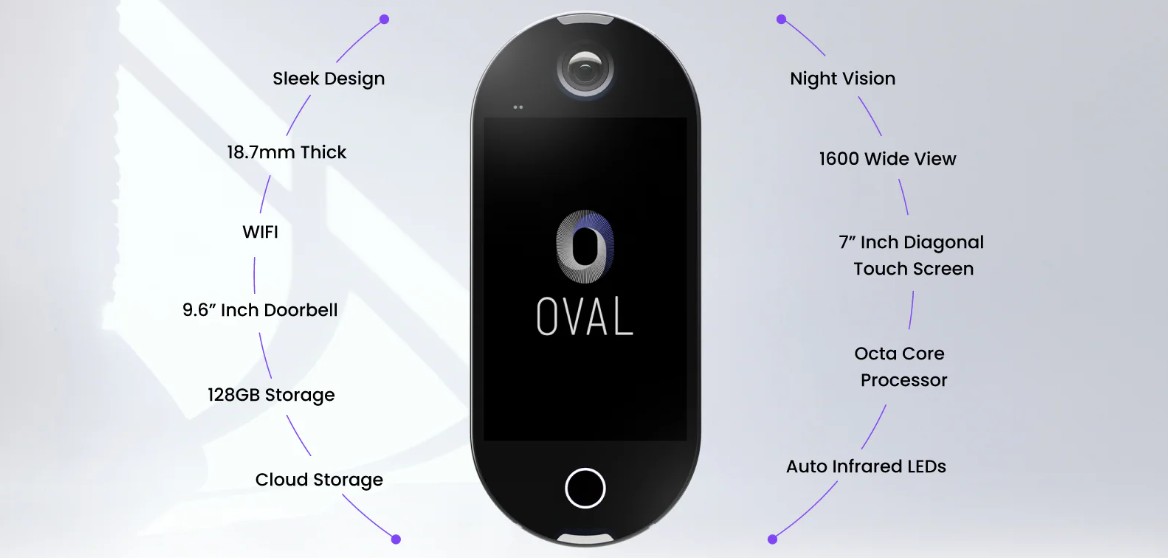
See how OVAL can transform your lifestyle by visiting our website today. Take control of your intelligent home automation with privacy and convenience at the forefront. Don’t wait to make your home smarter and safer. Get started now by exploring IRVINEi’s innovative solutions.
Frequently Asked Questions
What is automated lighting control and how can it help me save energy?
Automated lighting control uses technologies like motion sensors and dimming systems to optimize when and how lights are used. By installing motion sensors in high-traffic areas, you can potentially reduce energy waste by up to 50%, significantly lowering your electricity bills.
How do smart door locks enhance home security?
Smart door locks use wireless connectivity, biometric authentication, and real-time alerts to protect your home better than traditional locks. Consider implementing a smart lock system that allows remote access management to enhance your home’s security while giving you peace of mind.
What are the advantages of integrating voice-controlled personal assistants in my home?
Voice-controlled personal assistants provide hands-free control over your smart devices, simplifying daily tasks through voice commands. Set up a voice assistant to connect with various devices and enjoy streamlined management of your home environment.
How can intelligent surveillance systems improve my home security?
Intelligent surveillance systems utilize features like facial recognition and real-time motion detection to identify security threats accurately. To enhance your security, install cameras that send instant mobile alerts for any suspicious activity, allowing you to respond quickly.
What features should I look for in climate control systems for my home?
Smart climate control systems balance comfort and energy efficiency by learning your preferences and managing temperature zones automatically. Choose a system that offers remote control and energy tracking options to maintain comfort while reducing overall energy consumption by up to 20%.
How can I start implementing automated appliance management in my home?
Begin automating appliances by selecting a couple of frequently used devices, such as coffee makers or thermostats. This initial step allows you to gradually experience the benefits of intelligent management while minimizing complexity in your daily routines.
Recommended
- A Beginner’s Guide to Smart Home Tech with OVAL – IRVINEi
- 7 Top Home Automation Tips for Tech-Savvy Homeowners – IRVINEi
- Smart Living, Safe Living: The Future of OVAL Smart Home Technology – IRVINEi
- Voice-Controlled Smart Homes Guide with OVAL Devices – IRVINEi
- Appliance Lifespan: What It Means for Homeowners
- Älykkäät kaihdinjärjestelmät – Tehoa ja mukavuutta Helsinkiin - Tiimixi
