
Choosing the right smart home ecosystem often feels complicated when privacy and control are top priorities. Many American homeowners want a system that adapts to their lives without exposing their data to outside servers or unpredictable cloud risks. By understanding the difference between inclusive and brand-centric ecosystems, you can discover secure automation and reliable convenience—all while maintaining control of your personal information.
Table of Contents
- Defining The Modern Smart Home Ecosystem
- Types Of Smart Home Ecosystems And Hubs
- How Devices Interact: Automation And Security
- Privacy, Security, And Cloud-Free Advantages
- Choosing Ecosystems: Costs, Pitfalls, And Alternatives
Key Takeaways
| Point | Details |
|---|---|
| Smart Home Ecosystem Integration | A modern smart home ecosystem consists of interconnected technologies that enhance living environments through automation and intelligent control. |
| Device Ecosystem Types | Smart home ecosystems can be inclusive, allowing multi-brand device integration, or brand-centric, focusing on proprietary device networks. |
| Security and Privacy Challenges | The interconnected nature of smart devices raises security vulnerabilities, necessitating strong privacy measures and regular firmware updates to protect user data. |
| Choosing the Right Ecosystem | Consumers must consider factors like cost, compatibility, privacy concerns, and technical complexity when selecting a smart home ecosystem to meet their needs. |
Defining the Modern Smart Home Ecosystem
The modern smart home ecosystem represents a sophisticated network of interconnected technologies transforming residential living spaces into intelligent, responsive environments. As digital technologies rapidly evolve, homes are no longer static structures but dynamic systems capable of adapting to residents’ needs and preferences. Smart home technologies are fundamentally reshaping how we interact with our living spaces.
At its core, a smart home ecosystem integrates multiple technological components to create seamless, automated experiences. These interconnected systems typically include:
- Intelligent sensors and monitoring devices
- Automated control systems
- Network-enabled appliances and electronics
- Advanced communication interfaces
- Artificial intelligence and machine learning algorithms
Crucial to understanding this ecosystem is recognizing that it goes beyond simple device connectivity. Intelligent home automation involves creating holistic environments that anticipate user needs, enhance comfort, and optimize energy efficiency. Modern smart homes leverage complex networks of Internet of Things (IoT) devices, each communicating and coordinating to provide comprehensive living solutions.
The technological maturity of smart home systems now enables truly personalized living experiences. Residents can configure environments that respond dynamically to individual preferences, schedule changes, and even emotional states. From adjusting room temperatures automatically to managing security systems with predictive intelligence, these ecosystems represent a significant leap beyond traditional home technologies.
Pro tip: When building your smart home ecosystem, prioritize devices with strong privacy controls and local processing capabilities to maintain data security and reduce cloud dependency.
Types of Smart Home Ecosystems and Hubs
Smart home ecosystems represent complex technological networks designed to enhance residential intelligence and automation. Smart home ecosystems are categorized into two primary types: inclusive and brand-centric systems, each offering unique approaches to home connectivity and management.
Inclusive ecosystems provide broad compatibility across multiple device manufacturers and typically feature:
- Central hub or smart speaker integration
- Voice control capabilities
- Cross-platform device support
- Offline functionality
- Interoperability between different brands
Examples of inclusive ecosystems include Amazon Alexa, Google Home, Apple HomeKit, and Samsung SmartThings. These platforms enable users to connect devices from various manufacturers, creating a more flexible and adaptable smart home environment.
Brand-centric ecosystems, conversely, focus on proprietary device networks. These systems primarily connect devices manufactured or directly partnered with the ecosystem owner, such as Philips Hue lighting systems and Ring security devices. While more limited in scope, brand-centric ecosystems often provide deeper integration and more refined user experiences within their specific technological ecosystem.
Modern smart home hubs increasingly leverage advanced compatibility standards like Matter, Zigbee, and Z-Wave to enable seamless device communication. These standards help bridge technological gaps, allowing more sophisticated and interconnected home automation solutions that prioritize user convenience and system reliability.
Here is a comparison of inclusive versus brand-centric smart home ecosystems:
| Ecosystem Type | Device Flexibility | User Experience | Integration Standards |
|---|---|---|---|
| Inclusive | Supports many device brands | Consistent across platforms | Uses Matter, Zigbee, Z-Wave |
| Brand-Centric | Limited to specific brands | Deep integration, refined UX | Often proprietary protocols |
Pro tip: When selecting a smart home ecosystem, prioritize platforms with robust integration capabilities and strong privacy controls to ensure long-term flexibility and data protection.
How Devices Interact: Automation and Security
Smart home devices create complex networks of communication and interaction, enabling sophisticated automation and security capabilities. Smart home security technologies have dramatically evolved, integrating multiple components like surveillance cameras, smart locks, and motion sensors to provide comprehensive monitoring and control.
Device interaction in smart home ecosystems typically involves several key communication mechanisms:
- Wireless protocols (WiFi, Bluetooth, Zigbee)
- Cloud-based synchronization
- Local network communication
- Peer-to-peer device connections
- Machine learning adaptive responses
Automated security systems represent a critical advancement in home protection technologies. These intelligent networks can instantly detect unusual activities, send real-time alerts, and provide remote access to video recordings, significantly enhancing residential safety and user convenience.

However, the interconnected nature of IoT devices introduces substantial security vulnerabilities. IoT device security challenges stem from limited hardware capabilities and design priorities that often prioritize cost and usability over robust protection mechanisms. Potential threats include unauthorized access, data integrity breaches, and sophisticated cyber attacks targeting communication protocols.
To mitigate these risks, smart home developers are implementing advanced security strategies such as secure authentication, encrypted communication channels, regular firmware updates, and stringent access control mechanisms. These approaches help create more resilient and trustworthy automated home environments that protect user privacy and system integrity.
Pro tip: Regularly update your devices’ firmware and use strong, unique passwords for each smart home component to minimize potential security vulnerabilities.
Privacy, Security, and Cloud-Free Advantages
Privacy in smart home technologies has become a critical concern for modern consumers seeking greater control over their personal information. Smart home privacy research reveals alarming vulnerabilities that expose sensitive user data through seemingly innocuous device interactions.
Key privacy challenges in smart home ecosystems include:
- Unauthorized data collection
- Unexpected location tracking
- Potential network vulnerability
- Uncontrolled information sharing
- Limited user consent mechanisms
Cloud-free architectures represent a revolutionary approach to addressing these privacy concerns. By processing data locally and minimizing external server dependencies, these systems provide users with unprecedented control over their personal information and reduce potential exposure to unauthorized access.
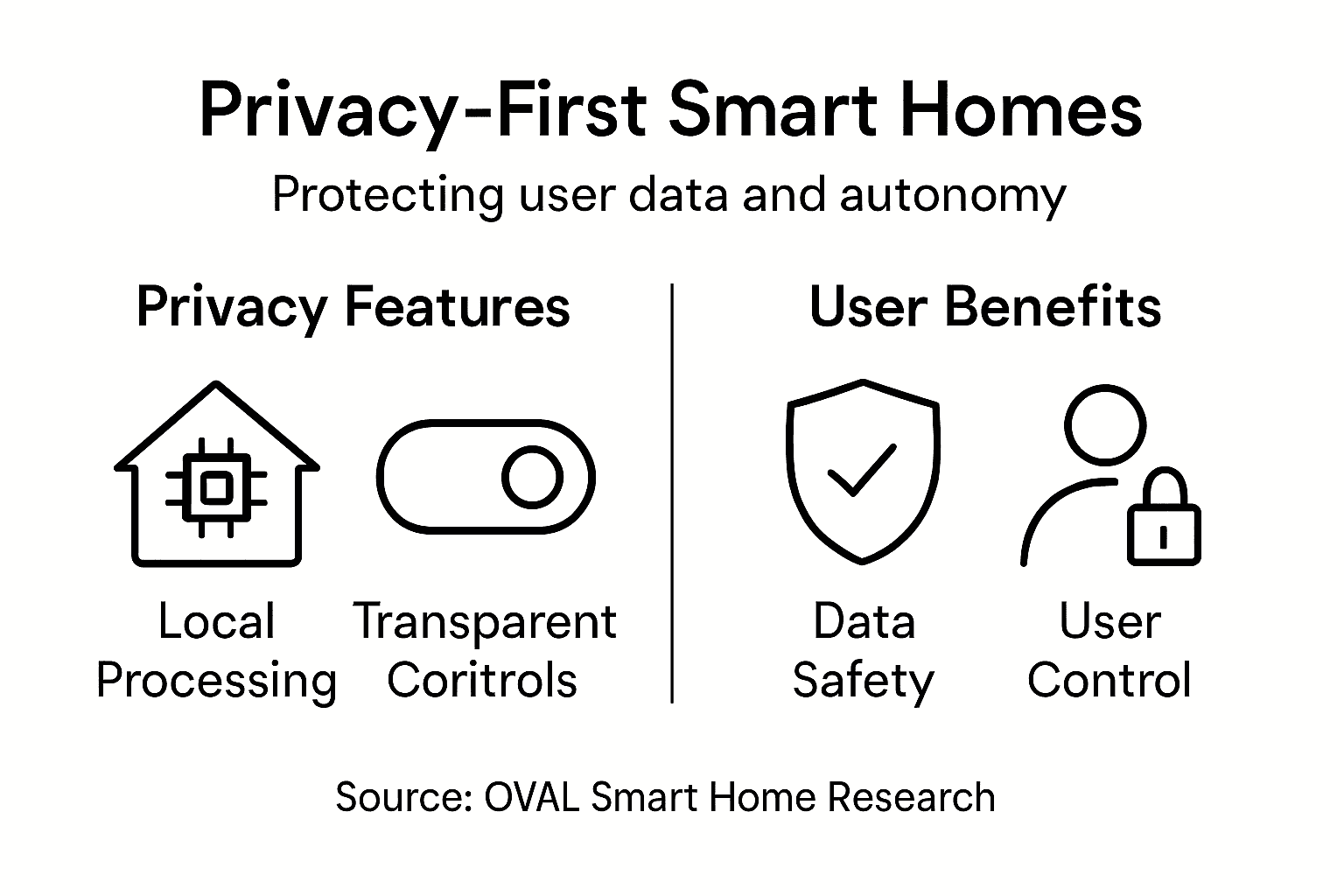
Privacy-enhancing technologies are emerging as critical solutions to protect user autonomy. These innovative approaches focus on creating transparent, user-controlled environments where individuals can understand and manage their data interactions, effectively transforming smart home devices from potential privacy risks to trusted personal assistants.
The evolution of privacy-first smart home technologies demonstrates a critical shift towards user empowerment. Developers are increasingly prioritizing local processing, encrypted communications, and granular user controls that allow residents to customize their privacy settings with unprecedented precision and confidence.
This table summarizes privacy-enhancing features in modern smart home systems:
| Feature | User Benefit | Example Technology |
|---|---|---|
| Local Data Processing | Minimizes external exposure | On-device AI assistants |
| Encrypted Communication | Protects information in transit | End-to-end encrypted messaging |
| Permission Controls | Customizable privacy settings | Granular app permission menus |
Pro tip: Regularly audit your smart home device permissions and choose systems that offer transparent, local data processing to maximize your personal privacy protection.
Choosing Ecosystems: Costs, Pitfalls, and Alternatives
Smart home technology adoption involves carefully navigating complex technological landscapes where consumer choices are influenced by multiple critical factors. Understanding the nuanced challenges of ecosystem selection requires a comprehensive approach that balances technological capabilities, privacy concerns, and personal requirements.
Key considerations when selecting a smart home ecosystem include:
- Upfront hardware investment
- Long-term compatibility
- Privacy and data protection
- Technical complexity
- Scalability and future expansion
- Maintenance and upgrade costs
Commercial ecosystem platforms like Google Home, Amazon Alexa, and Apple HomeKit offer convenient, plug-and-play solutions with extensive device support. These systems provide seamless integration but often compromise user privacy through centralized data processing and potential surveillance risks.
Alternative smart home systems present compelling options for privacy-conscious consumers. Open-source platforms such as Home Assistant and OpenHAB deliver greater customization and control, allowing users to maintain complete sovereignty over their personal data and device interactions. These solutions require more technical expertise but provide unparalleled flexibility and transparency.
Successful ecosystem selection demands a strategic approach that prioritizes individual needs over marketing promises. Consumers must carefully evaluate their technological comfort level, privacy requirements, and long-term technological goals before committing to a specific smart home platform.
Pro tip: Conduct thorough research and request product demonstrations to understand the true capabilities and limitations of different smart home ecosystems before making a significant investment.
Experience Privacy-First Smart Home Automation with OVAL
The article highlights critical challenges in building a truly private and secure smart home ecosystem. It emphasizes user concerns about unauthorized data collection, cloud dependency, and complex device management. If you want a smart home system that respects your privacy while delivering advanced automation, OVAL by IRVINEi offers the perfect solution. Running entirely without the cloud, OVAL integrates security, automation, and companionship into one intelligent device that keeps your data under your control.
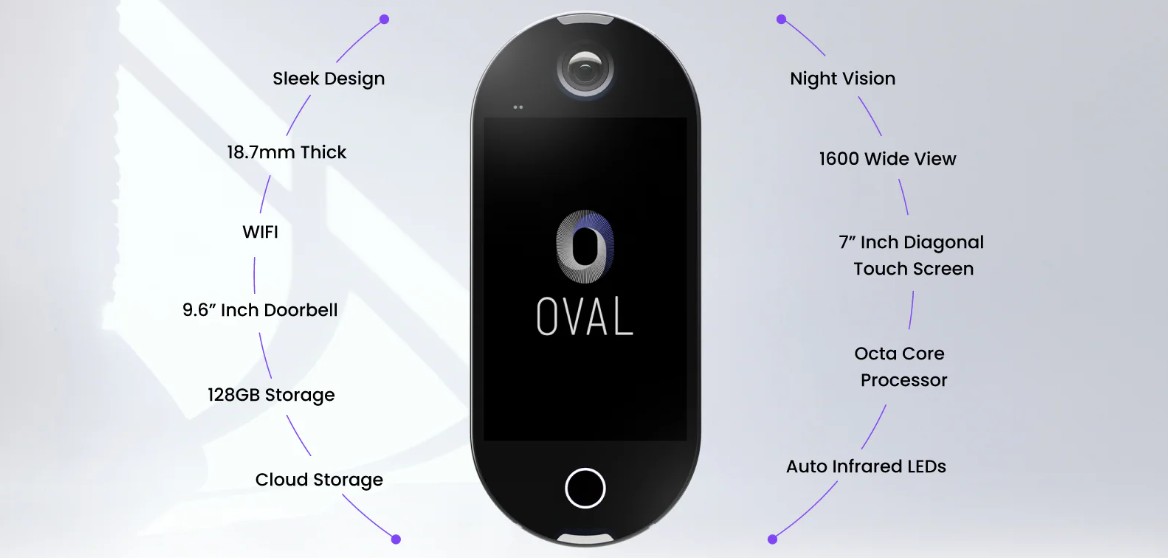
Discover how OVAL transforms your living space into a secure, adaptive home that anticipates your needs without compromising your privacy. Explore the future of intelligent living today on the Home page – IRVINEi. Take the first step toward owning a smart home ecosystem that puts you in charge. Visit https://hellooval.com now to learn more and experience privacy-first automation firsthand.
Frequently Asked Questions
What is a smart home ecosystem?
A smart home ecosystem is a sophisticated network of interconnected technologies that transform residential spaces into intelligent environments, utilizing various smart devices and systems for automation and enhanced user experience.
How do I choose the right smart home ecosystem for my needs?
When selecting a smart home ecosystem, consider factors such as device compatibility, privacy controls, technical complexity, and long-term scalability to ensure it meets your specific requirements and preferences.
What are the privacy concerns associated with smart home technologies?
Key privacy concerns include unauthorized data collection, location tracking, network vulnerabilities, and limited user consent mechanisms, which can expose sensitive personal information through device interactions.
How do cloud-free smart home architectures enhance privacy?
Cloud-free smart home architectures minimize external server dependencies by processing data locally, giving users greater control over their personal information and reducing risks of unauthorized access or data breaches.
